

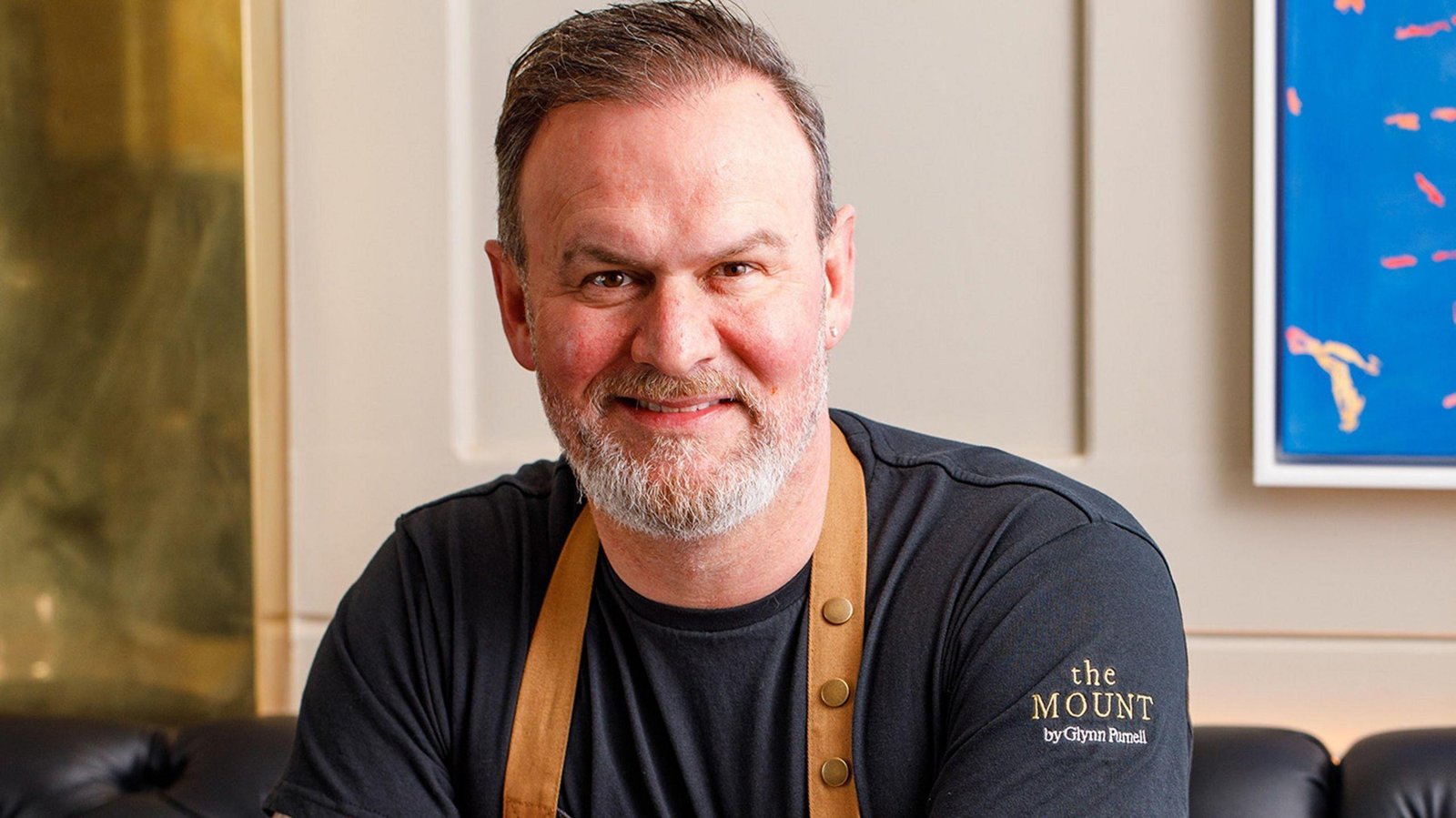
Who Is Glynn Purnell?
Glynn Purnell is one of Britain’s most renowned chefs, recognized for his distinct culinary artistry, enthusiastic nature, and association with Birmingham. Throughout his career, he has displayed his discipline, creativity, and drive. He has achieved success in running successful restaurant businesses, featuring in several popular TV shows and inspiring numerous aspiring chefs in the country. His cuisine blends traditional British recipes and innovative ideas that make it highly recognizable. This article covers the background of Glynn Purnell, his career, restaurants, TV shows, achievements, and impact on the culinary world of Birmingham and Britain as a whole.
His career has included Michelin-starred restaurants, popular television appearances, cookbooks and more relaxed dining concepts. He earned his first Michelin star while working at Jessica’s in Edgbaston before opening his own flagship restaurant, Purnell’s, in 2007. The restaurant received a Michelin star soon after opening and retained it for many years, helping Purnell become one of Birmingham’s most recognisable culinary figures.
What makes Glynn Purnell particularly interesting is that his public image has never felt overly polished or distant. He combines the discipline expected from a high-level chef with a lively sense of humour and an unmistakably Birmingham personality. Even when creating technically advanced food, he has generally tried to keep the experience energetic, welcoming and connected to everyday memories.
From Chelmsley Wood to Professional Kitchens
Glynn Purnell grew up in Chelmsley Wood, near Solihull, rather than in a family surrounded by luxury restaurants or professional chefs. His background became an important part of his identity because it showed that a successful culinary career could begin far away from the traditional centres of British fine dining. He entered professional kitchens at a young age and began learning through practical experience.
Purnell started cooking professionally at the age of 14. An early work-experience placement at the Metropole Hotel near Birmingham’s National Exhibition Centre introduced him to the speed, structure and pressure of a commercial kitchen. His first responsibilities were relatively simple, but the experience allowed him to work across different areas and discover a serious interest in fine dining.
Those early years gave him something that formal talent alone cannot provide: stamina. Professional kitchens demand concentration, physical energy, organisation and the ability to repeat tasks consistently. Purnell’s later success was built partly on creativity, but it was also built on years of learning the less glamorous side of the job. Washing, chopping, preparing, cleaning and observing experienced chefs all helped create the foundation for his later work.
Developing His Skills Under Leading Chefs
Before becoming a restaurant owner, Glynn Purnell developed his skills in several demanding kitchens. His professional journey included experience with respected chefs such as Gordon Ramsay, Gary Rhodes and Claude Bosi. He also worked as a sous chef at Simpsons in Birmingham during an important period in the restaurant’s development.
Working in these environments exposed him to different approaches to cooking. From one kitchen, he could learn precision and discipline. From another, he could understand flavour, presentation or restaurant management. Instead of copying one mentor’s style, Purnell gradually developed a personality of his own. His cooking became modern and technically controlled, but it also carried humour, nostalgia and occasional surprises.
This stage of his career also taught him how much leadership matters in a restaurant. A kitchen can have excellent ingredients and talented staff, but it will struggle without communication and trust. Purnell has spoken about treating employees with respect rather than relying on shouting or fear. His view is that strong teams perform better when people understand their responsibilities and feel valued.
Building a Michelin-Starred Reputation in Birmingham
A major turning point came when Glynn Purnell became head chef at Jessica’s in Edgbaston. Under his leadership, the restaurant earned a Michelin star, giving Purnell national recognition and strengthening Birmingham’s growing reputation as a serious dining destination. It was an important achievement for both the chef and the city.
In July 2007, he opened Purnell’s on Cornwall Street in Birmingham. The restaurant earned a Michelin star soon after opening and became his most famous business. Over the following years, it developed a reputation for creative tasting menus, confident cooking and dishes that blended familiar British ideas with international influences.
Purnell’s was important because it gave Birmingham diners a high-level restaurant that still felt closely connected to the city. Purnell regularly promoted Birmingham’s food culture through interviews and television appearances. University College Birmingham later recognised his contribution to the city and his support for young chefs by awarding him an honorary fellowship.
Glynn Purnell’s Distinctive Cooking Style
Glynn Purnell is generally associated with modern British cooking, although that description only explains part of his style. His food often begins with recognisable ingredients or comforting memories before introducing unexpected techniques, textures or flavour combinations. He is not interested in making food unusual simply for attention; the surprise still needs to make sense when the dish is eaten.
One of his greatest strengths is balancing seriousness with playfulness. Fine dining can sometimes feel formal, complicated or intimidating, but Purnell often uses humour to make it more approachable. Dish names, presentations and ingredient combinations may initially seem unusual, yet they are normally supported by careful preparation and a clear understanding of flavour.
His cooking also Glynn Purnell influences beyond Britain. French technique, Asian ingredients, European dining traditions and childhood food memories have all appeared in his work. That mixture gives his food a personal identity. Instead of following one culinary category too strictly, he uses different influences to build dishes that still feel recognisably his own.
Television Appearances and Cookbooks
Glynn Purnell became familiar to a wider audience through television programmes including Great British Menu, Saturday Kitchen and James Martin’s Saturday Morning. He competed successfully on Great British Menu, winning twice before later appearing as a mentor. These appearances helped viewers see both his technical knowledge and his lively personality.
Television suited Purnell because he could explain serious cooking without sounding overly formal. He was comfortable joking, reacting naturally and showing enthusiasm while still discussing ingredients and techniques with authority. This combination allowed him to connect with viewers who might never visit a Michelin-starred restaurant.
He has also published cookbooks that bring his ideas into home kitchens. Cracking Yolks & Pig Tales combines ambitious dishes, accessible methods and stories from his professional life. His later book, Rib Ticklers & Choux-ins, moved towards rustic home cooking with an eclectic twist, while maintaining his humorous writing style.
Restaurant Closures and a Changing Hospitality Industry
Even Glynn Purnell respected chefs are not protected from the commercial pressures of running restaurants. In October 2024, Purnell’s closed after 17 years of trading. The closure marked the end of the restaurant most closely associated with his name and was described by Purnell as a heartbreaking decision.
The closure was also a reminder that critical success does not automatically guarantee long-term financial security. Independent restaurants must manage rent, wages, food prices, energy bills, staffing problems and changing customer behaviour. A restaurant may receive excellent reviews and still struggle when operating costs increase or bookings decline.
Another of Purnell’s ventures, The Mount in Henley-in-Arden, closed after its final service on 15 March 2026. The owners cited rising food prices, energy expenses and general operating costs as reasons the business was no longer financially viable. Following the closure, Purnell said he would focus on Trillium, Plates by Purnell’s and his involvement with The Wood Norton in Evesham.
Trillium and the Next Stage of His Career
Rather than attempting to recreate Purnell’s, Glynn Purnell entered a different chapter with Trillium. Developed with Birmingham wine specialist Phil Innes, the restaurant was designed around flexible dining, seasonal dishes and a substantial wine programme. Guests can choose a conventional meal or build their own experience through shared small and large plates.
At Trillium, Purnell remains the chef patron, bringing his experience into a setting that is more relaxed than his former flagship restaurant. The food continues to use modern British ideas, but the emphasis is placed on bold flavours, seasonal ingredients and dishes made for sharing. Wine is equally important, with a list featuring hundreds of bottles and an extensive selection available by the glass.
The concept reflects how restaurant customers have changed. Many diners still appreciate skilled cooking, but they may not always want a lengthy tasting menu or a highly formal service. Trillium allows Purnell to retain culinary ambition while offering more freedom. The restaurant is also included in the Michelin Guide, showing that his work continues to attract attention from the industry.
Glynn Purnell’s Influence on Birmingham
Glynn Purnell’s most significant contribution may be his commitment to Birmingham. At a time when ambitious British chefs were often expected to move to London, he demonstrated that a nationally respected restaurant career could be built in the Midlands. His success helped increase attention on Birmingham’s independent restaurants and encouraged diners to view the city as a genuine culinary destination.
His influence can also be seen through the chefs who worked in his kitchens. Purnell’s was not simply a restaurant serving customers; it was a training environment where younger professionals could develop technical skills, confidence and discipline. Some former team members have gone on to work in leading restaurants in the UK and abroad.
Purnell has additionally supported culinary education and spoken positively about developing young talent. His relationship with University College Birmingham and his willingness to promote the city have strengthened his reputation as more than a television chef. He has acted as an ambassador for Birmingham’s hospitality sector while remaining closely connected to his local identity.
What Aspiring Chefs Can Learn from Glynn Purnell
One lesson from Glynn Purnell’s career is that progress usually begins with ordinary work. His story did not start with television appearances, Michelin recognition or restaurant ownership. It started with basic kitchen duties, observation and long hours. Aspiring chefs can learn from his willingness to develop skills gradually instead of expecting immediate recognition.
Another lesson is the importance of creating a personal identity. Technical ability is essential, but many chefs can cook accurately. The professionals who become memorable normally bring something more: a point of view, a connection to a place or a distinctive way of combining flavours. Purnell’s Birmingham personality, humour and childhood influences have helped separate his work from that of other chefs.
His career also demonstrates the need to adapt. The closure of a successful restaurant could have been treated as the end of an era, but Purnell moved towards a new concept Glynn Purnell. Trillium does not ignore his fine-dining experience; it applies that experience to a more flexible format. For chefs and business owners, this is a valuable reminder that reinvention is often more productive than attempting to preserve the past unchanged.
Final Thoughts on Glynn Purnell
The success story of Glynn Purnell is testament to the importance of talent, dedication, and self-identity when creating success within the challenging field of food. Over the years, Purnell has proven his creative abilities and determination through working as a professional chef to receiving the Michelin award. Through his restaurants, television showings, and cookery books, he has played an important part in popularizing modern cuisine from the British Islands. However, more significantly, his commitment to the city of Birmingham has raised its status as a place where one can enjoy good food. Despite changing times in the hospitality sector, Purnell retains his adaptability and influence.
What keeps his career interesting is the combination of ambition and local loyalty. He has never treated Birmingham merely as the place where he started. It has remained central to his identity, his restaurants and his public work. Through his achievements, he helped show that creative British cooking could thrive outside London.