

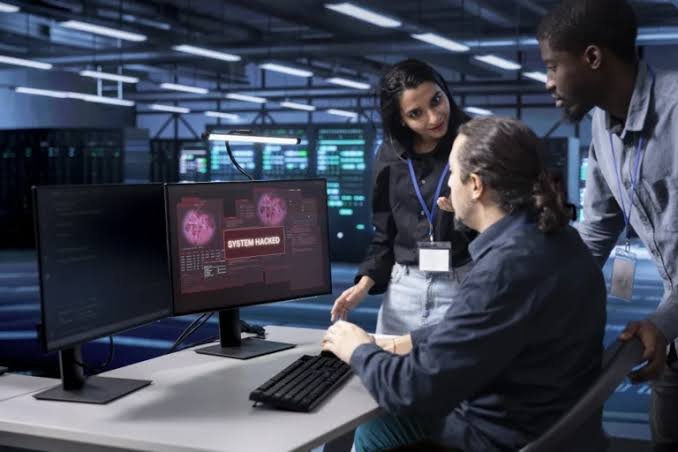
Tech Trends GFXProjectality is changing faster than ever, and every year brings new innovations that redefine how people create, communicate, and interact with digital experiences. One emerging concept gaining attention in creative and technology-focused discussions is tech trends gfxprojectality. This term represents the combination of graphics, digital projects, immersive experiences, and modern technological advancements that are shaping the future of visual communication.
From artificial intelligence-powered design tools to advanced 3D graphics, augmented reality, virtual environments, and interactive media, the digital world is moving beyond traditional visuals. Businesses, designers, developers, and content creators are exploring new ways to deliver engaging experiences that feel more realistic, personalized, and intelligent.
Understanding tech trends gfxprojectality helps professionals stay prepared for the next generation of digital innovation. It is not just about creating attractive graphics; it is about using technology to build meaningful digital environments, improve user experiences, and connect people with information in more powerful ways.
Understanding the Concept Behind Tech Trends GFXProjectality
Tech trends gfxprojectality can be understood as a modern approach where technology and graphic creativity work together to produce advanced digital solutions. The idea focuses on how visual design is evolving with the help of emerging technologies such as artificial intelligence, automation, 3D modeling, and immersive platforms.
Traditional graphic design mainly focused on creating images, logos, advertisements, and digital artwork. However, modern creative technology has expanded this field. Today, designers are building interactive experiences, animated environments, virtual products, and intelligent visual systems that respond to user behavior.
The growth of gfxprojectality reflects a major shift from static content toward dynamic digital experiences. Instead of simply viewing graphics, users can now Tech Trends GFXProjectality with them, customize them, and experience them in completely new ways through advanced devices and platforms.
Artificial Intelligence and the Transformation of Digital Graphics
Artificial Tech Trends GFXProjectality has become one of the biggest drivers behind modern graphic technology. AI-powered tools are changing how designers approach creativity by helping them generate ideas, automate repetitive tasks, and create complex visuals within minutes.
Graphic designers are now using AI for image generation, color suggestions, layout improvements, background removal, and design optimization. These technologies allow creators to spend more time focusing on strategy and creativity instead of handling every small technical detail manually.
The influence of AI in tech trends gfxprojectality does not mean replacing human creativity. Instead, it provides designers with powerful tools that enhance their abilities. Human imagination combined with machine intelligence creates opportunities for producing more innovative and personalized digital content.
The Rise of 3D Graphics and Realistic Digital Environments
One of the most Tech Trends GFXProjectality developments in modern visual technology is the increasing use of 3D graphics. Industries such as gaming, architecture, entertainment, healthcare, and education are adopting realistic 3D environments to improve communication and engagement.
Advanced rendering technologies now allow creators to develop highly detailed digital objects, realistic animations, and virtual spaces. These improvements make digital experiences feel closer to real-life interactions.
Within tech trends gfxprojectality, 3D technology plays a significant role because it connects creativity with practical applications. Companies can showcase products through realistic simulations, architects can present virtual buildings, and educators can create interactive learning environments.
Augmented Reality and Virtual Reality Changing User Experiences
Tech Trends GFXProjectality reality and virtual reality are becoming essential parts of future digital experiences. These technologies combine graphics with real-world environments or create completely digital worlds where users can interact with content in new ways.
Augmented reality allows digital elements to appear in the physical world through smartphones, smart glasses, and other devices. For example, customers can visualize furniture inside their homes before purchasing or try virtual versions of products.
Virtual reality creates fully immersive environments where users can explore digital spaces. From virtual training programs to entertainment experiences, VR is expanding how people interact with technology. These developments are closely connected with gfxprojectality because they rely heavily on advanced graphics and creative design.
The Growing Importance of Motion Graphics and Animation
Modern Tech Trends GFXProjectality are increasingly attracted to moving visuals rather than static images. Motion graphics and animation have become powerful tools for storytelling, marketing, education, and digital communication.
Brands are using animated content to explain complex ideas, promote products, and capture audience attention. Short videos, interactive animations, and dynamic website elements have become common strategies for improving user engagement.
Tech trends gfxprojectality highlights how motion design is becoming more intelligent and interactive. With improved software and automation, creators can produce professional-quality animations faster while experimenting with new creative styles.
Real-Time Rendering and Faster Digital Production
Real-time rendering technology has changed how digital content is created and displayed. Instead of waiting hours for computer-generated images to process, creators can now see changes instantly while designing.
This advancement is especially valuable in industries like gaming, film production, product visualization, and virtual events. Designers can make adjustments quickly, experiment with different concepts, and deliver better results in shorter periods.
Real-time rendering supports the future of gfxprojectality because it allows digital projects to become more flexible and responsive. As hardware continues improving, real-time graphics will become even more realistic and accessible.
The Role of Cloud Technology in Creative Projects
Cloud Tech Trends GFXProjectality is another important factor influencing modern digital creativity. Creative teams no longer need to depend only on local computers because cloud-based platforms allow them to store, edit, and share projects from anywhere.
Cloud solutions make collaboration easier between designers, developers, marketers, and businesses. Multiple team members can work on the same project without being limited by location.
In the world of tech trends gfxprojectality, cloud technology supports faster workflows and global collaboration. It enables creators to access powerful resources without investing heavily in expensive equipment.
Personalization Through Data and Smart Technologies
Personalization has become a major expectation among digital users. People want experiences that match their interests, preferences, and behaviors.
Modern technologies analyze user data to create customized recommendations, personalized designs, and targeted digital experiences. Websites, applications, and marketing platforms are increasingly using intelligent systems to understand individual users.
Gfxprojectality connects with this trend by combining creative visuals with smart technology. Future digital experiences will not only look attractive but will also adapt according to each user’s needs and preferences.
The Impact of Generative Design on Creative Industries
Generative design is changing the way creators approach problem-solving. Instead of manually designing every element, professionals can use algorithms to generate multiple possible solutions based on specific requirements.
This approach is becoming popular in product design, architecture, branding, and digital art. Designers can explore more possibilities and select the most effective concepts from AI-generated options.
The development of generative design represents a major part of tech trends gfxprojectality because it shows how creativity and computation are becoming increasingly connected. Technology is helping humans explore ideas that were previously difficult or impossible to achieve.
How Businesses Are Using Advanced Graphic Technologies
Businesses across different industries are adopting advanced graphic technologies to improve customer experiences and strengthen their digital presence. Companies understand that high-quality visuals can influence purchasing decisions and brand perception.
E-commerce brands are using 3D product previews, interactive demonstrations, and virtual try-on experiences. Marketing teams are using AI-generated visuals and personalized content to reach customers more effectively.
Tech trends gfxprojectality provides businesses with opportunities to create stronger connections with audiences. Companies that understand these technologies can develop more engaging digital strategies and stand out in competitive markets.
The Future of Digital Marketing and Visual Storytelling
Digital marketing is becoming increasingly visual, interactive, and technology-driven. Traditional advertisements are being replaced by immersive campaigns that encourage users to participate rather than simply watch.
Interactive graphics, animated content, virtual experiences, and AI-generated campaigns are becoming important tools for marketers. These methods help brands create memorable experiences and communicate their messages more effectively.
The future of marketing will depend heavily on creative technology. Gfxprojectality represents this movement where storytelling, design, and innovation come together to create powerful digital communication.
Challenges in Adopting New Graphic Technologies
Although advanced graphic technologies provide many opportunities, they also come with challenges. One major challenge is the need for skilled professionals who understand both creativity and technology.
Learning new software, managing complex workflows, and keeping up with rapid technological changes require continuous improvement. Businesses also need to consider costs, security concerns, and ethical issues related to artificial intelligence.
Despite these challenges, the benefits of adopting modern graphic technologies are significant. Organizations that invest in training and innovation can use these tools to create better experiences and improve efficiency.
The Importance of Human Creativity in a Technology-Driven Future
Even with advanced automation and artificial intelligence, human creativity remains the foundation of successful digital projects. Technology can generate ideas and provide assistance, but human vision, emotion, and storytelling create meaningful experiences.
Designers bring cultural understanding, imagination, and strategic thinking that machines cannot fully replace. The best results come from combining human creativity with technological capabilities.
Tech trends gfxprojectality demonstrates that the future is not about humans competing with machines. Instead, it is about collaboration between people and technology to achieve greater creative possibilities.
Future Predictions for Tech Trends GFXProjectality
The future of gfxprojectality will likely involve even deeper integration between artificial intelligence, immersive technology, and creative design. Digital experiences will become more realistic, interactive, and personalized.
Emerging technologies such as advanced AI models, spatial computing, smart devices, and next-generation displays will continue improving how people experience digital content.
As technology evolves, creators will have access to more powerful tools for building digital worlds, solving problems, and communicating ideas. The connection between graphics and technology will continue expanding across industries.
Why Understanding These Trends Matters
Keeping up with tech trends gfxprojectality is important for anyone working in creative industries, business, marketing, or technology. Digital transformation is affecting almost every field, and visual communication is becoming a critical part of success.
Professionals who understand these trends can adapt faster, discover new opportunities, and create better digital solutions. Whether someone is a designer, entrepreneur, developer, or content creator, learning about emerging technologies provides a competitive advantage.
The future belongs to those who can combine creativity with innovation. Understanding how technology is reshaping graphics and digital experiences helps individuals and businesses prepare for the next stage of the digital world.
Conclusion
Tech trends gfxprojectality represents the growing relationship between technology and visual creativity. From artificial intelligence and 3D graphics to augmented reality, virtual reality, and personalized digital experiences, modern technology is transforming how people create and consume visual content.
The future of digital design will not be limited to simple images or traditional graphics. Instead, it will focus on interactive environments, intelligent systems, and experiences that connect with users on deeper levels.
As innovation continues, gfxprojectality will remain an important concept for understanding the direction of creative technology. Those who embrace these changes will be better prepared to explore new possibilities and build the digital experiences of tomorrow.